The Impact of Art on Community and Culture
- bradfordbrownart
- Jul 12
- 4 min read
Art is more than just a form of expression; it serves as a powerful tool that shapes communities and cultures. From murals that adorn city walls to performances that bring people together, art has the ability to inspire, provoke thought, and foster connections among individuals. In this blog post, we will explore the multifaceted impact of art on community and culture, examining how it influences social dynamics, promotes inclusivity, and drives economic growth.
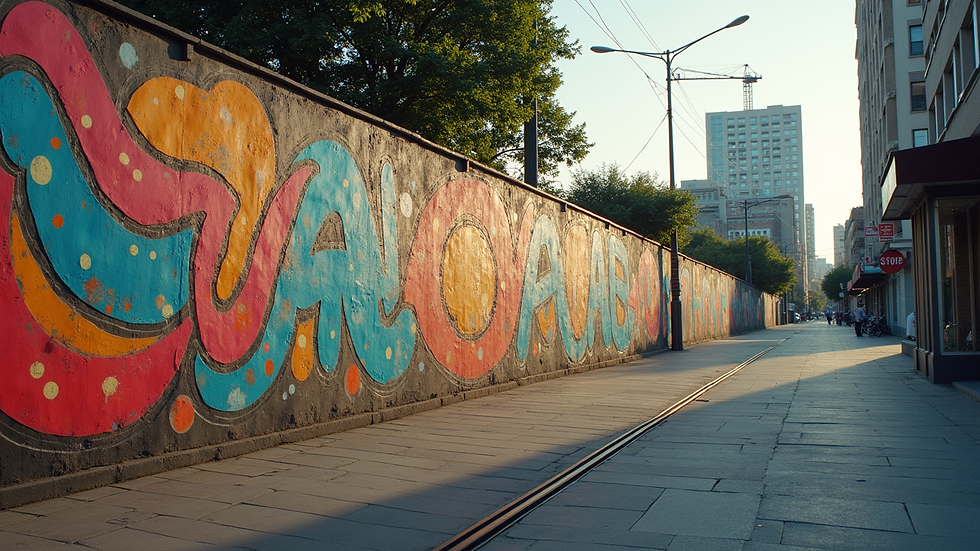
The Role of Art in Community Identity
Art plays a crucial role in defining the identity of a community. It reflects the values, history, and aspirations of its residents. For instance, public art installations often tell the story of a place, celebrating its heritage while also addressing contemporary issues.
Case Study: The Mural Movement
Cities like Philadelphia and San Francisco have embraced mural arts as a way to beautify neighborhoods and tell local stories. In Philadelphia, the Mural Arts Program has created over 4,000 murals, transforming the city into an open-air gallery. These murals not only enhance the visual landscape but also foster a sense of pride among residents.
Benefits of Community Art Projects
Fostering Connection: Community art projects bring people together, encouraging collaboration and dialogue among diverse groups.
Enhancing Public Spaces: Art can revitalize neglected areas, making them more inviting and engaging for residents and visitors alike.
Promoting Local Culture: By showcasing local artists and themes, art projects help preserve and promote the unique culture of a community.
Art as a Catalyst for Social Change
Art has long been a medium for social commentary and change. Artists often use their work to address pressing social issues, raising awareness and inspiring action.
Example: Street Art and Activism
Street art has emerged as a powerful form of protest and activism. Artists like Banksy and Shepard Fairey have used their art to comment on political issues, social injustice, and environmental concerns. These works often spark conversations and mobilize communities to take action.
The Power of Performance Art
Performance art can also serve as a platform for social change. Events like the "Theater of the Oppressed" encourage participants to engage with social issues through interactive performances. This form of art not only entertains but also educates and empowers individuals to challenge the status quo.
Art and Cultural Diversity
Art is a reflection of cultural diversity, showcasing the rich tapestry of human experience. It provides a platform for marginalized voices and fosters understanding among different communities.
Celebrating Cultural Heritage
Festivals and cultural events often feature art as a central element, celebrating the traditions and customs of various groups. For example, the annual "Dia de los Muertos" celebrations in Mexico honor deceased loved ones through vibrant altars and artistic displays. These events not only preserve cultural heritage but also promote inclusivity and respect for diversity.
The Role of Art in Multicultural Communities
In multicultural neighborhoods, art can serve as a bridge between different cultures. Collaborative art projects that involve artists from various backgrounds can create a shared sense of identity and belonging. This not only enriches the community but also fosters mutual respect and understanding.
Economic Impact of Art
Beyond its social and cultural benefits, art also contributes significantly to the economy. The creative sector generates jobs, stimulates local businesses, and attracts tourism.
Art and Local Economies
Investing in public art and cultural initiatives can lead to economic revitalization. Cities that prioritize the arts often see an increase in tourism, as visitors are drawn to cultural attractions. For instance, cities like New Orleans and Austin have become cultural hotspots, thanks in part to their vibrant arts scenes.
Supporting Local Artists
Local artists play a vital role in the economy. By supporting local art initiatives, communities can create opportunities for artists to thrive. This not only benefits the artists but also enriches the community with diverse artistic expressions.
The Future of Art in Community and Culture
As we look to the future, the role of art in community and culture will continue to evolve. With advancements in technology and changing social dynamics, new forms of artistic expression will emerge.
Embracing Digital Art
Digital art and virtual reality are becoming increasingly popular, offering new ways for artists to engage with audiences. These mediums can reach a broader audience and provide immersive experiences that traditional art forms may not.
Community Engagement through Technology
Social media platforms and online communities are also changing the way art is shared and experienced. Artists can connect with audiences globally, fostering a sense of community that transcends geographical boundaries. This democratization of art allows for diverse voices to be heard and celebrated.
Conclusion
Art is a vital component of community and culture, influencing social dynamics, promoting inclusivity, and driving economic growth. By investing in and supporting the arts, communities can foster a sense of identity, encourage social change, and celebrate cultural diversity. As we move forward, embracing new forms of artistic expression will be essential in shaping the future of our communities.
Art has the power to connect us, inspire us, and transform our surroundings. Let us continue to support and celebrate the arts in all its forms, recognizing its profound impact on our lives and communities.


Comments